The Hidden Fundy Shore: Finding Your Home in Little Dyke and DebertEver feel like you’ve stumbled upon a secret that’s just too good to keep to yourself? That’s exactly how it

Dated: September 8 2023
Views: 3757
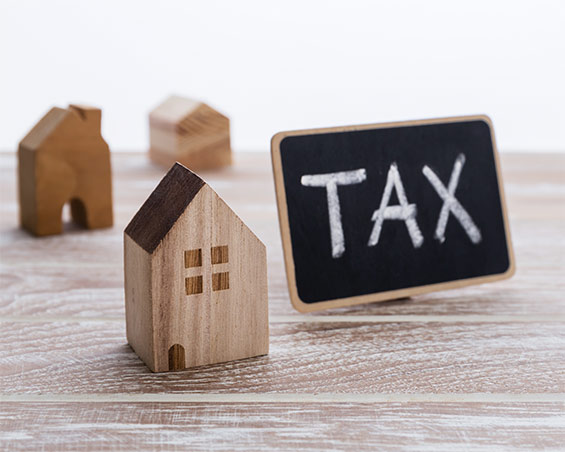
Hello, dear readers! At Truro Home Team, we believe that being a responsible homeowner involves more than just finding your dream property. It also means understanding your financial obligations, including property taxes. In Nova Scotia, like in other provinces and territories in Canada, property taxes are a fundamental part of the local government's revenue system. Whether you're a new homeowner or have been living in your property for years, it's crucial to understand property taxes to ensure you meet your obligations and make informed financial decisions.
Property taxes are levies imposed by municipal governments to fund local services and infrastructure. These services include schools, road maintenance, fire departments, and more. Property taxes are calculated based on the assessed value of your property and are typically due annually.
The first step in understanding property taxes in Nova Scotia is to comprehend how your property's value is determined. The provincial government conducts property assessments through the Property Valuation Services Corporation (PVSC). PVSC assesses properties based on market value and other factors. It's essential to review your property assessment periodically to ensure its accuracy.
In Nova Scotia, property taxes are calculated using a mill rate, which is the amount of tax payable per $1,000 of assessed property value. To calculate your property tax, you can use the following formula:
Property Tax = (Assessed Property Value / 1,000) x Mill Rate
As of 2023, here are the property tax rates for Colchester County and the Town of Truro:
Colchester County: https://www.colchester.ca/tax-rates
Town of Truro: https://www.truro.ca/property-taxes-fees.html
Please note that these rates may be subject to change, so it's essential to check with the respective municipal offices for the most up-to-date information.
Your property tax bill will provide a breakdown of the various taxes and levies, including the municipal tax, provincial education tax, and any additional local levies. Reviewing your property tax bill carefully can help you understand where your tax dollars are allocated and whether there have been any changes in rates or assessments.
Property taxes in Nova Scotia are typically due on an annual basis, but municipalities may offer different payment options, such as quarterly or semi-annual payments. Additionally, you can often pay your property taxes through various methods, including online payments, pre-authorized debits, or in-person at municipal offices.
Nova Scotia offers property tax assistance programs for eligible homeowners, such as the Nova Scotia Property Tax Rebate for Low-Income Seniors, the Disability Tax Credit, and the Capped Assessment Program (CAP). These programs are designed to provide financial relief to those who need it most. Be sure to check your eligibility and apply if you qualify.
Capped Assessment Program (CAP): The Capped Assessment Program is a valuable initiative for eligible homeowners in Nova Scotia. Under this program, your property assessment will not increase by more than a set percentage each year, even if the market value of your property exceeds this amount. This ensures that you won't experience a sudden and significant increase in property taxes due to rising property values.
When you purchase a property that is currently under a cap rate in Nova Scotia, your taxes will generally be based on the market assessment in the following year. While the cap rate provides temporary relief, it is important to be prepared for potential adjustments in property taxes after the purchase.
If you believe there's an error in your property assessment or have questions about the cap rate, you have the right to appeal. You can contact the PVSC or your local municipal office for guidance on the appeals process.
Understanding property taxes in Nova Scotia is vital for homeowners to manage their finances effectively and contribute to their local communities. Keep in mind that property tax rates and regulations may change over time, so staying informed and reviewing your property assessment regularly is essential.
If you have specific questions about property taxes or need assistance with any aspect of homeownership in Nova Scotia, consider reaching out to us at Truro Home Team. We're here to help you navigate the intricacies of real estate and ensure you make informed decisions about your property.
For more insights and guidance on Nova Scotia's real estate landscape, stay tuned to our blog and follow us on social media. Your trusted partner in real estate, the Truro Home Team, is here to support your homeownership journey every step of the way.

I’m the Owner and Broker of REMAX® Fairlane Realty and lead the Truro Home Team, serving Truro and Colchester County. With over 18 years in the real estate industry, I bring strategic insight, stro....
The Hidden Fundy Shore: Finding Your Home in Little Dyke and DebertEver feel like you’ve stumbled upon a secret that’s just too good to keep to yourself? That’s exactly how it
Arisaig Adventures: Fossils, Wharfs, and Coastal Living at its BestIf you’ve ever wanted to feel like a time traveler without needing a fancy DeLorean, I’ve got the perfect spot for you.
Waterside Wonders: Living Near the Ferry and the Sea in CaribouHey there, neighbor! If you’ve ever found yourself daydreaming about a life where the rhythmic hum of a ferry and the gentle lap
Pugwash Real Estate: Your Quiet Coastal Retreat in the Village of FriendsIf you’ve ever dreamed of trading city noise for the sound of gentle waves and fresh salt air, pull up a chair and let
 Information should be deemed reliable but not guaranteed, all representations are approximate, and individual verification is recommended. Copyright ©2017 All rights reserved.
The trademarks REALTOR®, REALTORS® and the REALTOR® logo are controlled by The Canadian Real Estate Association (CREA) and identify real estate professionals who are members of CREA. The trademarks MLS®, Multiple Listing Service® and the associated logos are owned by CREA and identify the quality of services
provided by real estate professionals who are members of CREA. Used under license.
Show More...
Information should be deemed reliable but not guaranteed, all representations are approximate, and individual verification is recommended. Copyright ©2017 All rights reserved.
The trademarks REALTOR®, REALTORS® and the REALTOR® logo are controlled by The Canadian Real Estate Association (CREA) and identify real estate professionals who are members of CREA. The trademarks MLS®, Multiple Listing Service® and the associated logos are owned by CREA and identify the quality of services
provided by real estate professionals who are members of CREA. Used under license.
Show More...