The Hidden Fundy Shore: Finding Your Home in Little Dyke and DebertEver feel like you’ve stumbled upon a secret that’s just too good to keep to yourself? That’s exactly how it

Dated: March 19 2023
Views: 169

The purchasing process usually starts years before the actual purchase because that’s how long it can take to save up for a down payment, depending on where you’re planning to buy a home, your income and expenses, and of course, the home price. In Canada, when the purchase price is $500,000 or less, the minimum down payment is five per cent. The minimum down payment for homes over $500,000 is five per cent for the first $500,000 and 10 per cent for the remaining portion.
Think about that. How long would it take you to squirrel away $100K? Remember that this is the national average, but a down payment on a house in Ontario can vary dramatically from one in BC or PEI. Working with an experienced real estate agent can help you navigate your local market. In the meantime, here are some things to think about as you plan for your home purchase.
A down payment is a lump sum that a homebuyer pays up front when purchasing their house. It represents a portion of the home’s total purchase price. The homebuyer will often take out a mortgage from a bank or another financial institution to finance the remainder of the house purchase price. The higher the down payment, the less the buyer will need to borrow to finance the rest of the house, resulting in lower monthly payments and less interest paid.
Some people need clarification on the deposit and the down payment. Think of the deposit as a down payment on your down payment. The amount is typically around $10,000 but can vary depending on how serious you are about buying the home and the price. The deposit is a certified cheque or bank draft with the Offer to Purchase. This deposit will be deducted from your required down payment amount.
Before diving in, there is a lot to know about buying a home. Lean on your team of real estate professionals to ensure you’re aware of all the requirements and the options available. Your financial advisor, lawyer and real estate agent know the ins and outs of the purchasing process, so you don’t have to navigate this road alone.
When buying a home, the down payment is calculated as a percentage of the total purchase price. The higher the price, the higher the down payment. You can plug some numbers into a house down payment calculator found online to get an idea of how much you’ll need to save up.
In Canada, for homes priced below $500,000, the minimum down payment required is five percent. For homes between $500,000 and $999,999, the down payment is five percent of $500,000 plus 10 percent of the remaining amount.
Remember that these are the bare minimums required to qualify for a mortgage. However, anything below 20 per cent is a high-ratio mortgage and requires mortgage default insurance. This protects the lender in case the borrower defaults on payments. Your mortgage loan insurance can be paid upfront or added to your monthly mortgage payments.
Mortgage loan insurance, or mortgage default insurance, protects the mortgage lender in case you cannot make monthly mortgage payments. While mortgage loan insurance is required if you have less than a 20 percent down payment, a lender may still require it if you have 20 percent if you are self-employed or have a poor credit history.
Mortgage loan insurance premiums range from 0.6 percent to 4.5 percent of the mortgage amount, depending on the size of your down payment. It can be paid in a lump sum upfront or by adding it to your mortgage, in which case you will pay interest on the premium. Your mortgage lender will coordinate getting mortgage loan insurance on your behalf if you need it.
A larger down payment now leaves more money in your pocket. We’ve already established that buyers with 20 percent or more to put down on their homes won’t have to purchase mortgage default insurance. From a long-term perspective, when your down payment is larger, your mortgage loan will be lower, and at the end of a typical 25-year mortgage amortization, you’ll be paying less interest.
However, more Canadians are in a position where they cannot afford to put a sizeable down payment on a house. Making the minimum down payment may be the only way for them to buy a house and get into the real estate market. This is not bad since a smaller down payment can free up funds for other expenses associated with purchasing the home. Ultimately, a larger down payment may be preferable, but don’t let that stop you from buying the house you want if you have the minimum funds.
For homebuyers in many of Canada’s pricier housing markets, saving that down payment can be the biggest obstacle to home ownership. An average income in cities like Toronto and Vancouver may be higher, but so is the cost of living, leaving less to tuck into a savings account. If you plan to purchase a home, start saving as soon as possible. Time is on your side.
The Government of Canada offers some programs and incentives to soften the financial blow for first-time homebuyers.
The Home Buyers Plan lets first-timers borrow up to $35,000 from their Registered Retirement Savings Plan for their home purchase. If there are multiple first-timers purchasing the property, they can each borrow this amount. Ensure you’re aware of the repayment requirements.
Also worth noting and new as of September 2019, first-time homebuyers now have the First Time Home Buyer Incentive to help reduce their monthly mortgage payments without increasing their down payment amount. The FTHBI is an interest-free, shared-equity mortgage that must be repaid when the home is sold or after 25 years – whichever comes first—the government shares in any gains or decreases in property value.
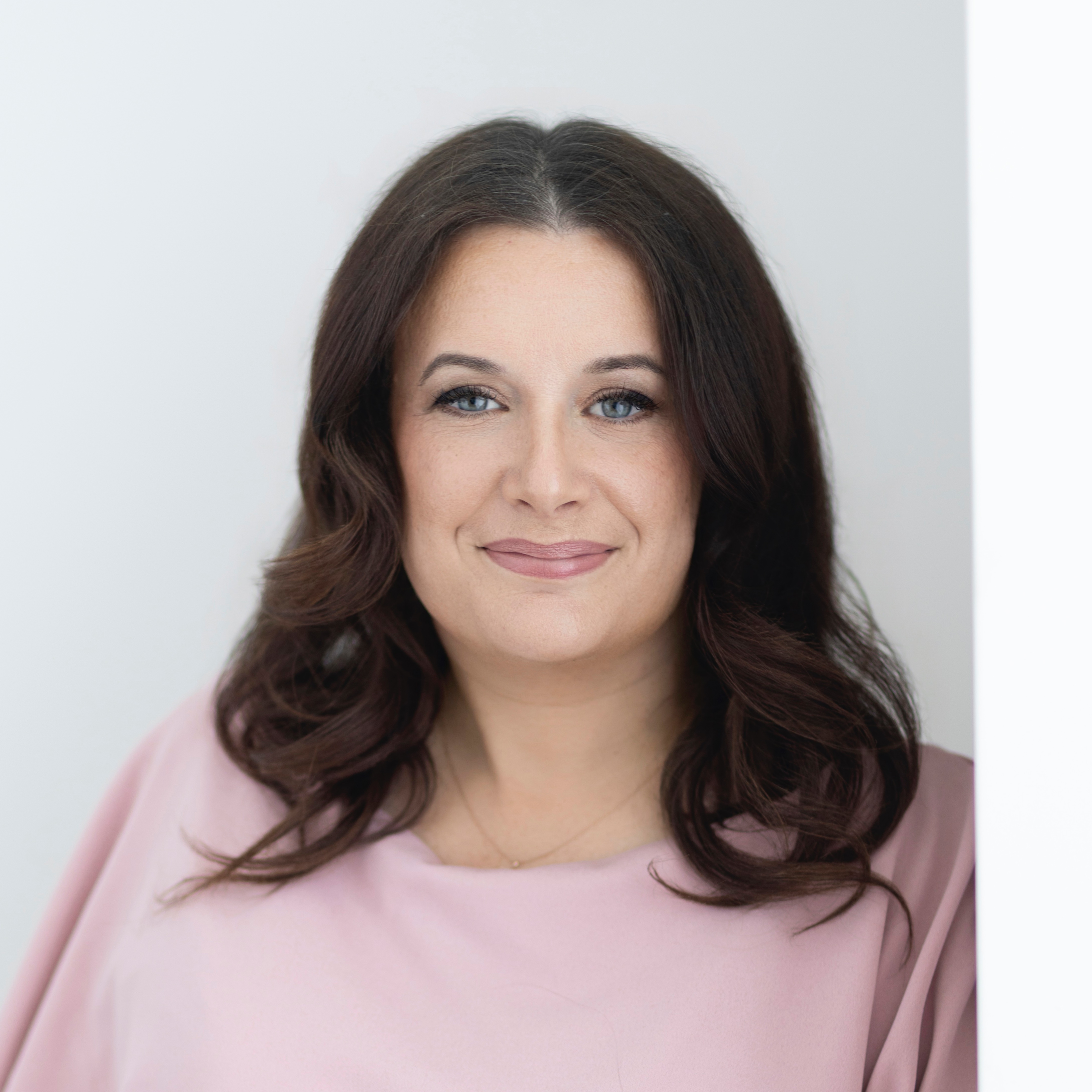
I’m the Owner and Broker of REMAX® Fairlane Realty and lead the Truro Home Team, serving Truro and Colchester County. With over 18 years in the real estate industry, I bring strategic insight, stro....
The Hidden Fundy Shore: Finding Your Home in Little Dyke and DebertEver feel like you’ve stumbled upon a secret that’s just too good to keep to yourself? That’s exactly how it
Arisaig Adventures: Fossils, Wharfs, and Coastal Living at its BestIf you’ve ever wanted to feel like a time traveler without needing a fancy DeLorean, I’ve got the perfect spot for you.
Waterside Wonders: Living Near the Ferry and the Sea in CaribouHey there, neighbor! If you’ve ever found yourself daydreaming about a life where the rhythmic hum of a ferry and the gentle lap
Pugwash Real Estate: Your Quiet Coastal Retreat in the Village of FriendsIf you’ve ever dreamed of trading city noise for the sound of gentle waves and fresh salt air, pull up a chair and let
 Information should be deemed reliable but not guaranteed, all representations are approximate, and individual verification is recommended. Copyright ©2017 All rights reserved.
The trademarks REALTOR®, REALTORS® and the REALTOR® logo are controlled by The Canadian Real Estate Association (CREA) and identify real estate professionals who are members of CREA. The trademarks MLS®, Multiple Listing Service® and the associated logos are owned by CREA and identify the quality of services
provided by real estate professionals who are members of CREA. Used under license.
Show More...
Information should be deemed reliable but not guaranteed, all representations are approximate, and individual verification is recommended. Copyright ©2017 All rights reserved.
The trademarks REALTOR®, REALTORS® and the REALTOR® logo are controlled by The Canadian Real Estate Association (CREA) and identify real estate professionals who are members of CREA. The trademarks MLS®, Multiple Listing Service® and the associated logos are owned by CREA and identify the quality of services
provided by real estate professionals who are members of CREA. Used under license.
Show More...